Great Smoky Mountains National Park
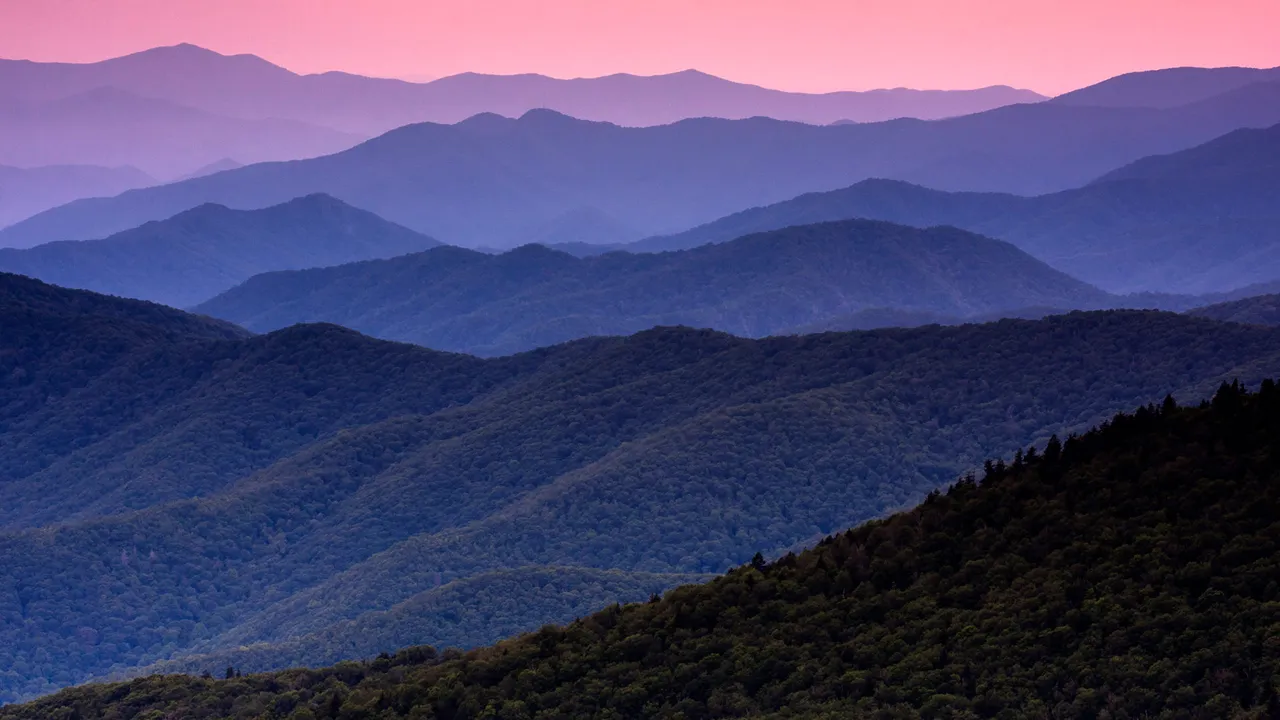
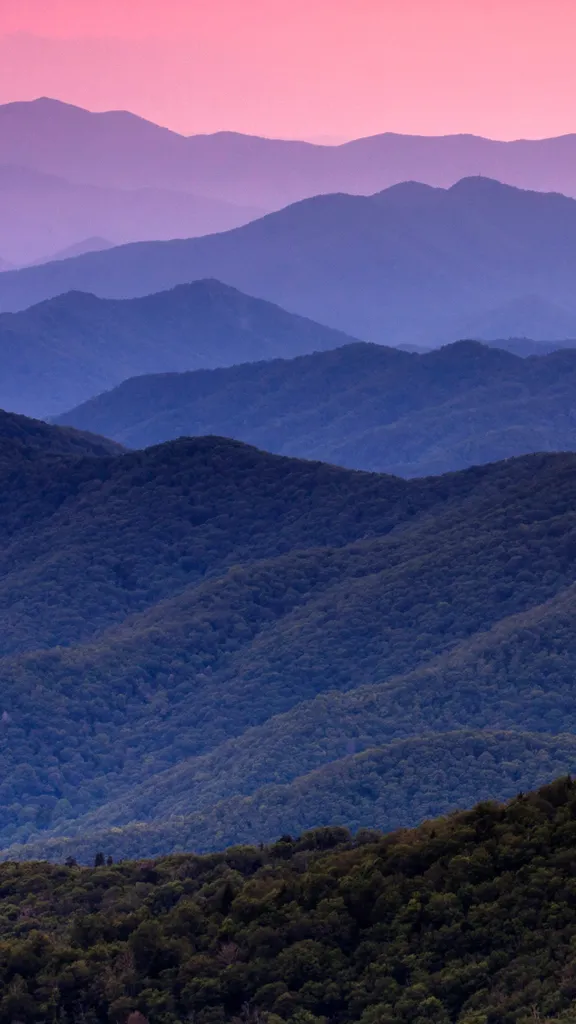
These mountains were shaped over time long before they became a protected landscape. The Great Smoky Mountains National Park in Tennessee and North Carolina, United States covers more than 2,000 square kilometres. The park takes its name from the natural smoky haze drifting over its ridgelines. Part of the Appalachian Mountains, these peaks are over 300 million years old.
Native Americans have hunted in these mountains for around 14,000 years. Archaeologists have found Archaic-period projectile points along animal migration routes, while Woodland-period sites reveal 2,000-year-old ceramics and early farming practices.
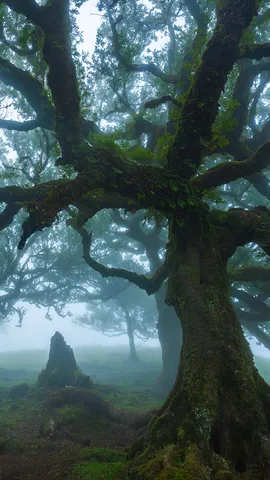
Recognised as the Salamander Capital of the World, the park is a biodiversity hotspot, home to around 30 salamander species, black bears, elk, over 200 bird species and thousands of plant varieties. Its forests shift with elevation, supporting a wide range of ecosystems. Kuwohi is the highest point, offering sweeping views. Meanwhile, Cades Cove and Cataloochee Valley contain preserved buildings that reflect life in the region before the park's creation.