
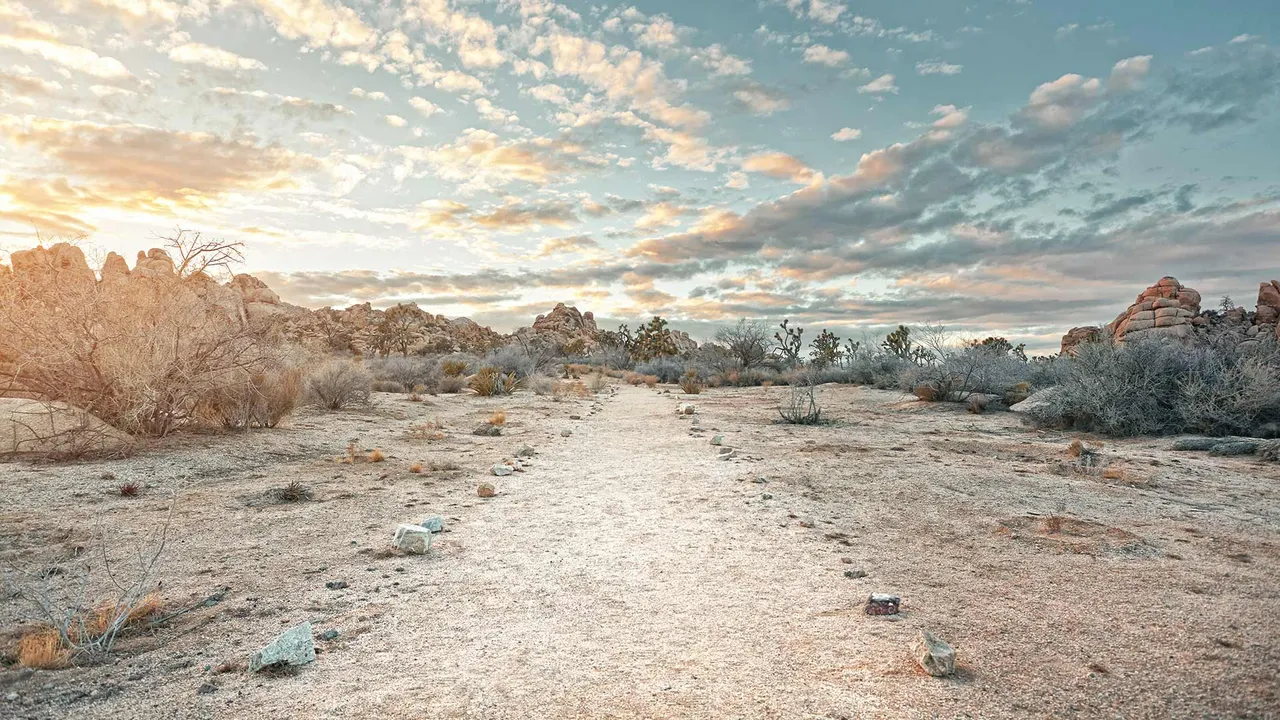
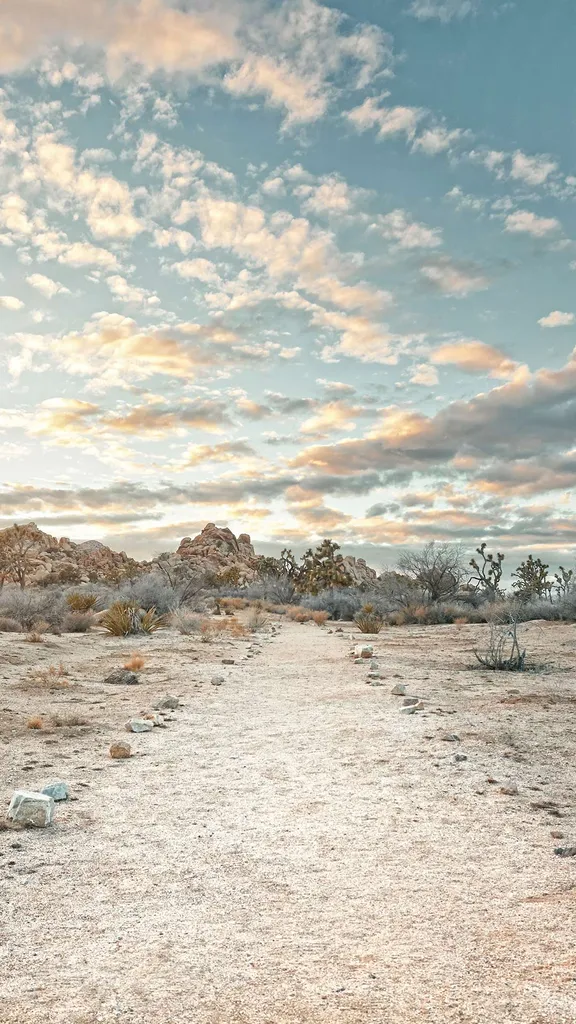
Joshua Tree National Park, California, United States (© JJ Landscapes/Getty Images)
Where two great deserts meet, Joshua Tree National Park reveals a stark, mesmerising landscape shaped by wind, time and extremes. In Southern California, the higher Mojave Desert merges with the hotter, lower Colorado Desert, creating a unique blend of ecosystems and remarkable biodiversity.
Across nearly 3,220 square kilometres, spiky Joshua trees—actually a species of yucca—rise from sandy plains, their twisting silhouettes punctuating fields of weathered granite boulders. Massive rock formations, cracked and sculpted over millions of years, attract climbers and hikers seeking routes through this rugged terrain.
Life persists here in remarkable ways. Desert bighorn sheep, reptiles and hundreds of bird species thrive in an environment defined by scarce water and intense sun. Spring may bring bursts of wildflowers, while crystal-clear nights reveal some of the darkest skies in the country—ideal for stargazing. Designated as a national monument in 1936, the vast landscape became a national park in 1994. It invites exploration, offering an unforgettable encounter with the raw beauty and resilience of the American desert.

