
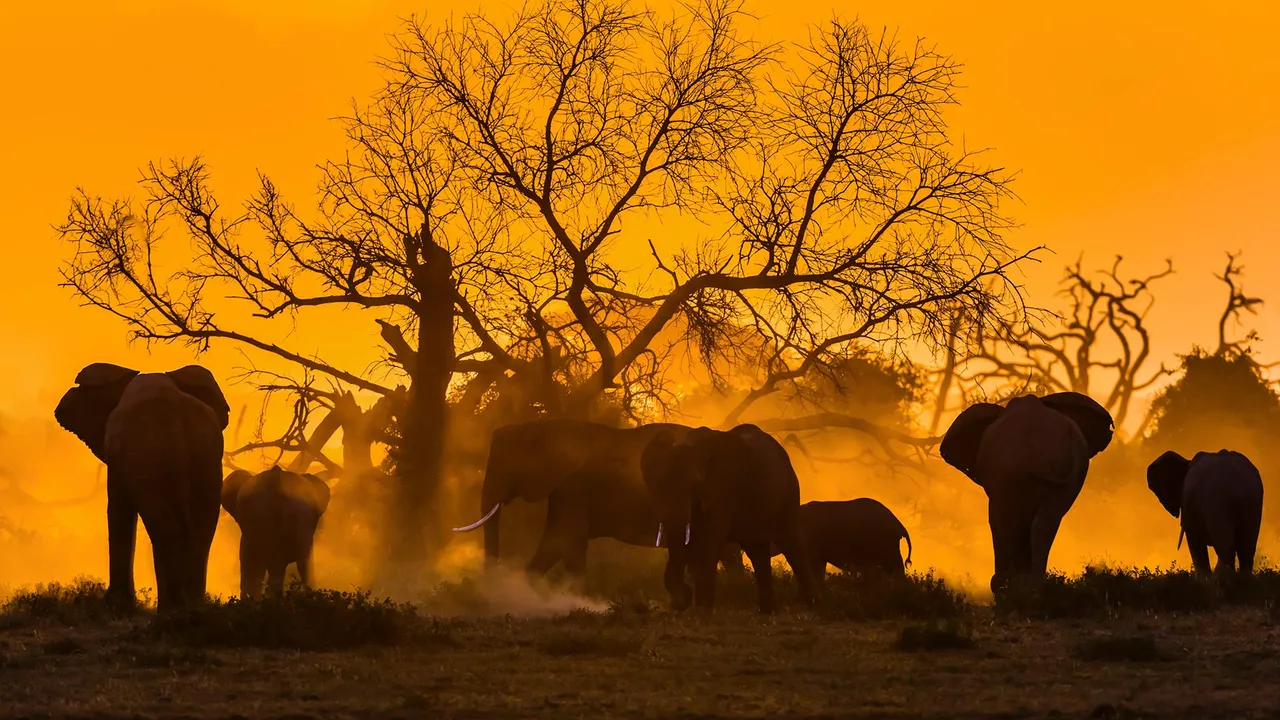
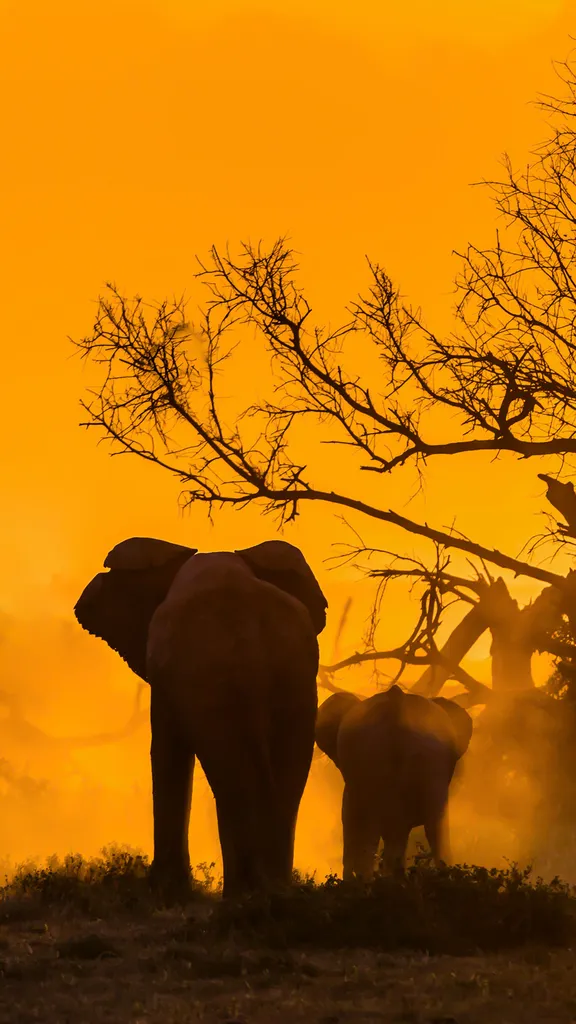
A group of elephants, Amboseli National Park, Kenya (© Ibrahim Suha Derbent/Getty Images)
On 12 August, World Elephant Day invites us to pause and consider not just the size of these animals, but the depth of their lives. In places like Amboseli National Park in Kenya—captured in this image—a herd doesn't simply pass through the landscape; it remembers it. Matriarchs guide their families between water sources, tracing routes shaped as much by memory as by terrain.
Elephants are often described as intelligent, but that word barely does them justice. Their trunks alone contain tens of thousands of muscles, capable of gentle touch or immense strength, while their social bonds rival those of many primates.
Yet this ancient rhythm is under pressure. Since its launch in 2012, World Elephant Day has highlighted how poaching, habitat loss and conflict with humans are reshaping elephant lives across Africa and Asia. Scenes like this—families moving together under vast skies—are not guaranteed. They endure only if we protect the landscapes and connections that elephants depend on.

