World Nature Conservation Day
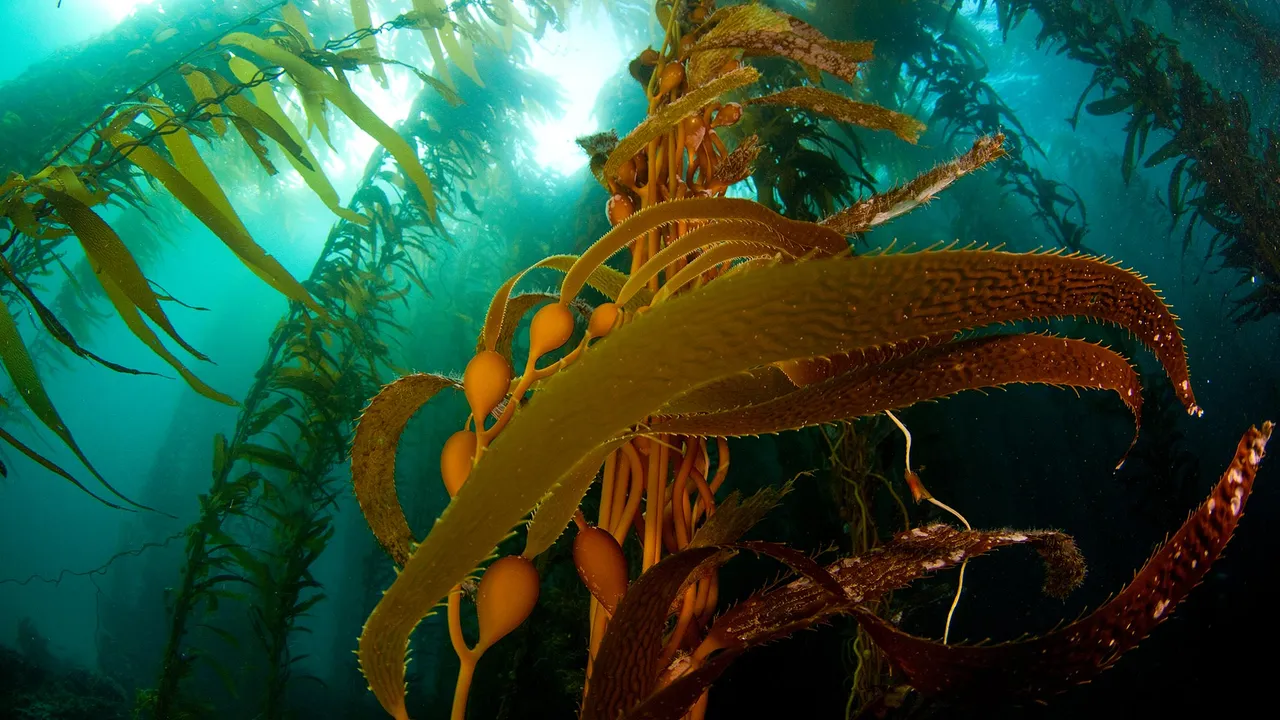
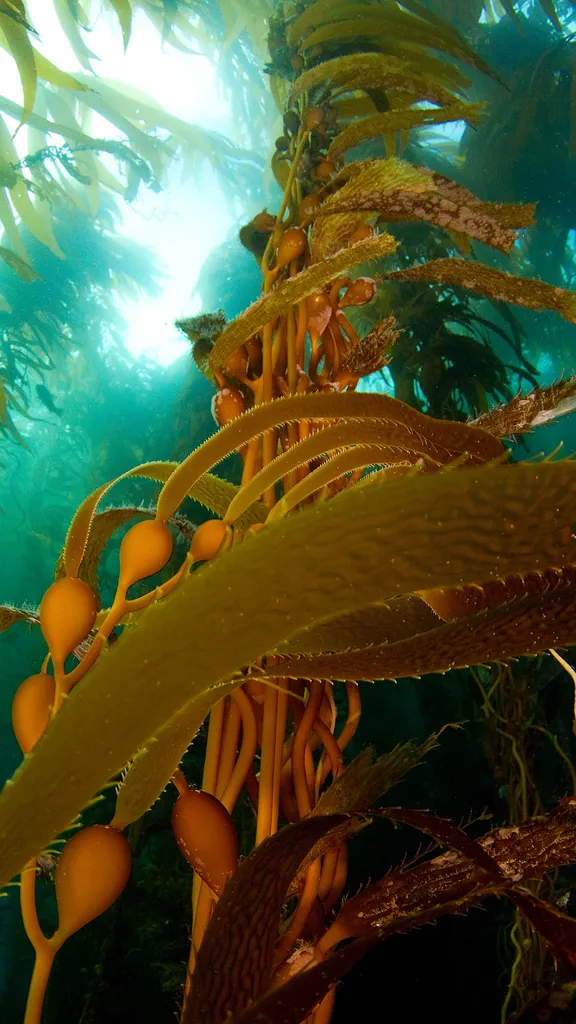
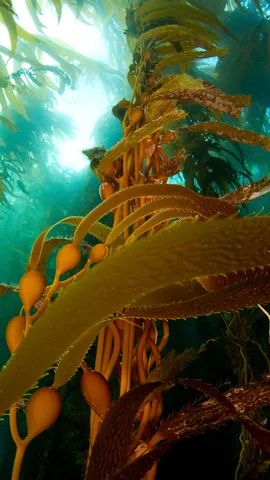
Off Anacapa Island, California, United States, the ocean grows its own forests. Within Channel Islands National Park—also known as the 'Galápagos of North America'—giant kelp stretches beyond 30 metres in length, forming buoyant ribbons lifted by air-filled bladders and anchored below by rootlike holdfasts.
Nothing sits still in this kelp-built vertical world: sunlight filters through the canopy, fronds sway with the surge and fish thread between stalks like visible currents. Sea lions twist through the openings, sea urchins graze the floor and every layer hums with activity. But even this fast-growing seaweed—able to add up to 60 centimetres a day—can vanish quickly. Heatwaves, ocean acidification and changing currents can erase decades of growth in a few years, leaving open water where a bustling community once stood.
Observed each 28 July, World Nature Conservation Day feels tangible here. Kelp doesn't just host life; it constructs ecosystems from the ground up and keeps them together—filtering water, storing carbon and quietly stabilising entire coastlines.